 The University of Kansas
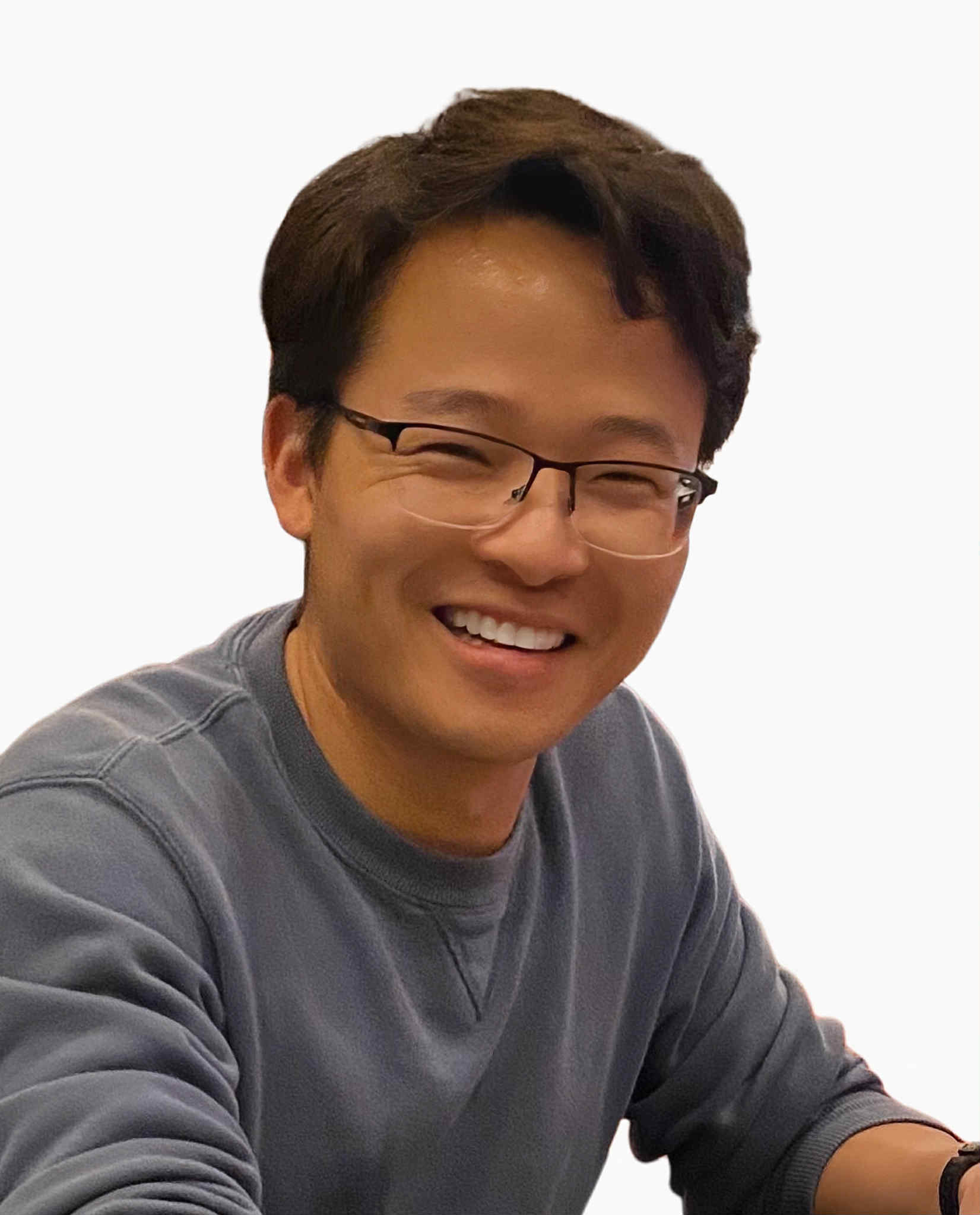
Hello! I am an Assistant Professor in the Department of Civil, Environmental, and Architectural Engineering and, by courtesy, the Department of Electrical Engineering and Computer Science at the University of Kansas (KU). My research focuses on transportation cyber-physical systems, where computation and physical infrastructure are integrated at all levels. I work at the intersection of transportation engineering, control systems, and optimization, leveraging methods from control theory, operations research, and data science to address transportation challenges and help build safer, more efficient, and resilient cities and communities. 📝 View my CV
I earned my Ph.D. in civil engineering from the University of Minnesota, where I worked with Michael Levin. My Ph.D. dissertation on the planning, operation, and management of automated transportation systems received the 2023 IEEE ITS Best Dissertation Award—First Prize from the IEEE Intelligent Transportation Systems Society. Prior to that, I received an M.S. in electrical and computer engineering from the University of Ottawa under the supervision of N.U. Ahmed. Outside of research, I enjoy running (5K and 10K), playing tennis, reading, watching documentaries, and learning new card tricks.
I am always looking for motivated undergraduate and graduate students to join our group. If you are interested in our research, please reach out with your CV, transcripts, and a brief statement describing how your interests align with our work.
🔥 News
- August 2026: Xinyuan and Zisan were awarded Tier 1 scholarships by the KU School of Engineering (SoE).
- May 2026: Albert Agah won an Undergraduate Research Award (UGRA) to support original student research.
- May 2026: Don’t miss the inaugural Midwest Innovation and Development in Transportation Symposium (MIDTRANS 2026)! Connect with leading researchers and industry professionals and explore the latest advances in transportation. Check it out and register today!
👥 Team
Current Members
- Ph.D. Students: Xinyuan Li, Md. Fahim Montasir Zisan
- M.S. Students: Logan Pittman
- Undergraduate Students: Albert Agah
Alumni
- M.S. Students: Jose Carlos Acedo Aguilar (UTEP Outstanding Thesis Nominee)
- Undergraduate Students: Haveeair Caballero, Fernando Sepulveda
👨🏫 Teaching
- CE 883: Transportation Cyber-Physical Systems (Fall 2026)
- CE 240: Geomatics (Spring 2026)
- CE 786: Highway Safety (Fall 2025)
Courses previously taught at UTEP
- ECE 5380/6380: Linear Systems Analysis (Spring 2025)
- ECE 4390/5390: Transportation Cyber-Physical Systems (Spring 2024, 2025)
- ECE 4338/5390: Systems and Controls (Fall 2024)
- ECE 4364/5390: Systems and Controls (Fall 2023)
📝 Publications
If you would like a copy of the articles, please email me directly. I would be happy to send them to you.
Books
- Ahmed, N. U. & S. Wang. Measure-valued solutions for nonlinear evolution equations on Banach spaces and their optimal control. Springer, 2023 (227 pages).
- Ahmed, N. U. & S. Wang. Optimal control of dynamic systems driven by vector measures: Theory and applications. Springer, 2021 (320 pages).
Book Chapters
- Shang, M., B. Rosenblad, S. Wang, & R. Stern. Ramp metering control for mixed-autonomy traffic. Traffic and Autonomy, SEMA SIMAI Springer Series (SEMA SIMAI, volume 44).
Journal Articles
- Liu, Y., S. Halder, S. Wang, & T. Li. Learn2Drive: A neural network-based framework for socially compliant automated vehicle control. IEEE Transactions on Intelligent Transportation Systems.
- Wang, S., J. C. Acedo Aguilar, & M. Velez-Reyes. Smoothing traffic flow through automated vehicle control with optimal parameter selection. IEEE Transactions on Intelligent Transportation Systems.
- Guo, J., S. Wang, S. He, M. Zamanpour, & Z. Sun. Energy-efficient control of connected autonomous electric vehicles in mixed traffic with human-driven vehicles. Transportation Research Record: Journal of the Transportation Research Board.
- Wang, S., M. W. Levin, & R. Stern (2026). String stable control design for automated vehicles under cyberattacks. Journal of Intelligent Transportation Systems, 30(1), 177-189.
- Pang, S., D. Patel, Y. Liu, S. Wang, C. Lin, S. He, & T. Li (2026). Large language models for car following in automated driving: Opportunities and challenges. Artificial Intelligence for Transportation, 6, 100047.
- He, S., S. Wang, Y. Shao, Z. Sun, & M. W. Levin (2026). A connectivity-based real-time traffic prediction considering lane-changing maneuvers with application to eco-driving control of electric vehicles. IEEE Transactions on Vehicular Technology, 75(1), 168-181.
- Pan, M., W. Li, C. Wang, S. Wang, F. Li, J. Dong, & J. New (2025). Evaluating system responses to electric vehicle charging infrastructure expansion through data-driven simulation. Sustainable Energy Technologies and Assessments, 82, 104565.
- Aguilar, J. A. & S. Wang (2025). Dynamic modeling and optimal planning for integrating electric vehicles and renewable energy into coupled traffic-power systems. IEEE Transactions on Intelligent Transportation Systems, 26(11), 19214-19226.
- Wang, S. (2025). An analytical framework for modeling and synthesizing malicious attacks on adaptive cruise control vehicles. Transportation Research Record: Journal of the Transportation Research Board, 2679(5), 142-156.
- Aguilar, J. A. & S. Wang (2025). Impacts of electric vehicles on traffic-power systems: A review. International Journal of Sustainable Transportation, 19(2), 103-120.
- Li, T., M. Shang, S. Wang, & R. Stern (2024). Detecting subtle cyberattacks on adaptive cruise control vehicles: A machine learning approach. IEEE Open Journal of Intelligent Transportation Systems, 6, 11-23.
- Ahmed, S. & S. Wang (2024). A systematic review of the impacts of electric vehicles on evolving transportation systems. Digital Transportation and Safety, 3(4), 220-232.
- Wang, S. (2024). Autonomous vehicle control through socially compliant human-robot interactions with an application to eco-driving. IEEE Transactions on Intelligent Transportation Systems, 25(11), 17821-17830.
- Wang, S., M. Shang, & R. Stern (2024). Analytical characterization of cyberattacks on adaptive cruise control vehicles. IEEE Transactions on Intelligent Transportation Systems, 25(11), 16409-16420.
- Shang, M., S. Wang, & R. Stern (2024). A two-condition continuous asymmetric car-following model for adaptive cruise control vehicles. *IEEE Transactions on Intelligent Vehicles, 9(2), 3975-3985.
- Wang, S., M. W. Levin, & R. Stern (2023). Optimal feedback control law for automated vehicles in the presence of cyberattacks: A min-max approach. Transportation Research Part C: Emerging Technologies, 153, 104204.
- Shang, M., S. Wang, & R. Stern (2023). Extending ramp metering control to mixed autonomy traffic flow with varying degrees of automation. Transportation Research Part C: Emerging Technologies, 151, 104119.
- Wang, S., A. Mahlberg, & M. W. Levin (2023). Optimal control of automated vehicles for autonomous intersection management with design specifications. Transportation Research Record: Journal of the Transportation Research Board, 2677(2), 1643-1658.
- Wang, S., M. Shang, M. W. Levin, & R. Stern (2023). A general approach to smoothing nonlinear mixed traffic via control of autonomous vehicles. Transportation Research Part C: Emerging Technologies, 146, 103967.
- Wang, S., Z. Li, & M. W. Levin (2022). Optimal policy for integrating autonomous vehicles into the auto market. Transportation Research Part C: Emerging Technologies, 143, 103821.
- Sun. W., S. Wang, Y. Shao, Z. Sun, & M. W. Levin (2022). Energy and mobility impacts of connected autonomous vehicles with co-optimization of speed and powertrain on mixed vehicle platoons. Transportation Research Part C: Emerging Technologies, 142, 103764.
- Wang, S., R. Stern, & M. W. Levin (2022). Optimal control of autonomous vehicles for traffic smoothing. IEEE Transactions on Intelligent Transportation Systems, 23(4), 3842-3852.
- Ahmed, N. U. & S. Wang (2021). Optimal control of nonlinear hybrid systems driven by signed measures with variable intensities and supports. SIAM Journal on Control and Optimization, 59(6), 4268-294.
- Wang, S., M. W. Levin, & R. J. Caverly (2021). Optimal parking management of connected autonomous vehicles: A control-theoretic approach. *Transportation Research Part C: Emerging Technologies, 124, 102924.
- Ahmed, N. U. & S. Wang (2021). Measure-driven nonlinear dynamic systems with applications to optimal impulsive controls. Journal of Optimization Theory and Applications, 188(1), 26-51.
- Wang, S. & N. U. Ahmed (2021). Optimal control and stabilization of building maintenance units based on minimum principle. Journal of Industrial and Management Optimization, 17(4), 1713-1727.
- Wang, S. & N. U. Ahmed (2019). Optimal relaxed control for a class of nonlinear and nonconvex dynamic systems. Dynamics of Continuous, Discrete and Impulsive Systems Series A: Mathematical Analysis, 26(4), 279-290.
- Wang, S., N. U. Ahmed, & T. H. Yeap (2019). Optimum management of urban traffic flow based on a stochastic dynamic model. IEEE Transactions on Intelligent Transportation Systems, 20(12), 4377-4389.
- Wang, S. & N. U. Ahmed (2019). Optimum management of the network of city bus routes based on a stochastic dynamic model. *Journal of Industrial and Management Optimization, 15(2), 619-631.
- Wang, S. & N. U. Ahmed (2017). Dynamic model of urban traffic and optimum management of its flow and congestion. Dynamic Systems and Applications, 26, 575-587.
Peer-reviewed Conference Proceedings
- Guo, J., S. Wang, & Z. Sun. Energy-efficient optimal control of connected and autonomous electric vehicles in mixed-autonomy traffic with upstream flow estimation. The 65th IEEE Conference on Decision and Control (CDC 2026).
- Ahmed, S., S. Wang., & A. Kondyli (2026). Examining the effectiveness of traffic-smoothing autonomous vehicle controllers in the presence of lane-changing maneuvers. The 37th IEEE Intelligent Vehicles Symposium (IV 2026), 2118-2123.
- Li, T., S. Wang, M. Shang, S. Choi, & R. Stern (2024). A customizable neural network based framework for autonomous vehicle control with human-guided learning. The 27th IEEE International Conference on Intelligent Transportation Systems (ITSC 2024), 3064-3069.
- Aguilar, J. A., F. Sepulveda, & S. Wang (2024). An impact evaluation of strategic cyberattacks on autonomous vehicles: Safety, mobility, and energy consumption. The 27th IEEE International Conference on Intelligent Transportation Systems (ITSC 2024), 2524-2529.
- Aguilar, J. A. & S. Wang (2024). A simple and efficient speed control method for autonomous vehicles to improve traffic performance. The 27th IEEE International Conference on Intelligent Transportation Systems (ITSC 2024), 1348-1353.
- Caballero, H., Y. Sang, & S. Wang (2024). An energy-efficient routing algorithm for electric delivery trucks considering battery constraints and traffic flow. The 56th North American Power Symposium (NAPS 2024).
- Aguilar, J. A., S. Wang, & M. Velez-Reyes (2024). Impacts of electric adaptive cruise control vehicles on emergent traffic flow: A simulation study. The 56th North American Power Symposium (NAPS 2024).
- Shang, M., S. Wang, T. Li, & R. Stern (2024). Interaction-aware model predictive control for autonomous vehicles in mixed-autonomy traffic. The 35th IEEE Intelligent Vehicles Symposium (IV 2024), 317-322.
- Li, T., S. Wang, M. Shang, & R. Stern (2024). Can cyberattacks on adaptive cruise control vehicles be effectively detected? The 35th IEEE Intelligent Vehicles Symposium (IV 2024), 323-328.
- Aguilar, J. A. & S. Wang (2024). Energy impacts of traffic-smoothing cruise controllers on mixed traffic. The 4th IEEE Forum for Innovative Sustainable Transportation Systems (FISTS 2024), 1-6. (Best Paper Runner-Up Award)
- Shang, M., S. Wang, & R. Stern (2023). Capacity implications of personalized adaptive cruise control. The 26th IEEE International Conference on Intelligent Transportation Systems (ITSC 2023), 3168-3173.
- Li, T., B Rosenblad, S. Wang, M. Shang, & R. Stern (2023). Exploring energy impacts of cyberattacks on adaptive cruise control vehicles. The 34th IEEE Intelligent Vehicles Symposium (IV 2023).
- Wang, S. (2023) A novel framework for modeling and synthesizing stealthy cyberattacks on driver-assist enabled vehicles. The 34th IEEE Intelligent Vehicles Symposium (IV 2023).
- He, S., S. Wang, Y. Shao, Z., Sun, & M. W. Levin (2023). Real-time traffic prediction considering lane changing maneuvers with application to eco-driving control of electric vehicles. The 34th IEEE Intelligent Vehicles Symposium (IV 2023).
- Li, T., M. Shang, S. Wang, M. Filippelli, & R. Stern (2022). Detecting stealthy cyberattacks on automated vehicles via generative adversarial networks. The 25th IEEE International Conference on Intelligent Transportation Systems (ITSC 2022), 3632-3637.
- Shang, M., S. Wang, & R. Stern (2022). Modeling adaptive cruise control vehicles: a continuous asymmetric car-following perspective. The 25th IEEE International Conference on Intelligent Transportation Systems (ITSC 2022), 923-928.
- Wang, S., M. Shang, M. W. Levin, & R. Stern (2022). Smoothing nonlinear mixed traffic with autonomous vehicles: control design. The 25th IEEE International Conference on Intelligent Transportation Systems (ITSC 2022), 661-666.
- Wang, S. & Z. Li (2021). Optimal policy for integration of automated vehicles into the auto market: A control-theoretic perspective. The 24th IEEE International Conference on Intelligent Transportation Systems (ITSC 2021), 3470-3475.
- Sun. W., S. Wang, Y. Shao, Z. Sun, & M. W. Levin (2021). Traffic prediction for connected vehicles on a signalized arterial. The 24th IEEE International Conference on Intelligent Transportation Systems (ITSC 2021), 1968-1973.
- Wang, S., M. W. Levin, & R. J. Caverly (2021). Optimal parking management of connected autonomous vehicles. The 2021 American Control Conference (ACC 2021), 1022-1027.
- Wang, S. & N. U. Ahmed (2018). Stochastic dynamic model of city bus routes and their optimum management. The 4th IEEE International Conference on Control Science and Systems Engineering (ICCSSE 2018), 427-432.
- Wang, S. & N. U. Ahmed (2018). Dynamic model of bank queuing system and its optimal management. The 4th IEEE International Conference on Control Science and Systems Engineering (ICCSSE 2018), 510-514.
📢 Join Us
I am always looking for motivated students to join our group. If you are interested in our research, please reach out with your CV, transcripts, and a brief statement describing how your interests align with our work. Candidates with a background in civil engineering, electrical and computer engineering, industrial engineering, applied mathematics, or a related field are strongly encouraged to apply. Priority will be given to applicants with proficiency in programming (e.g., MATLAB, Python, or C++) and traffic simulation tools (e.g., Vissim, SUMO, or MATSim). We work best with students who have strong communication skills and enthusiasm for interdisciplinary, independent research. Due to the volume of inquiries, I may not be able to respond to every message.
Are you interested in joining our group as a graduate student or an undergraduate researcher? Before inquiring, please review the information below. I also encourage you to explore this website and read our publications to get a better sense of the work we do.
I accept graduate students through the Department of Civil, Environmental, and Architectural Engineering (CEAE) at the University of Kansas. The CEAE graduate programs offer both M.S. and Ph.D. degrees, with different admission and degree requirements. To be considered for a position in my group, you must submit an official application to the CEAE department. Once we determine a strong match in terms of interests, preparation, and goals, securing funding becomes the key step. The most common source of funding is through externally funded research projects. When such funding is not immediately available, I am happy to work with you to apply for fellowships, such as those listed below. Please let me know if you plan to pursue any of these opportunities.
Fellowships for graduate students:
- The Madison and Lila Self Graduate Fellowship at KU: https://www.nsfgrfp.org/
- NSF Graduate Research Fellowship: https://www.nsfgrfp.org/
- NASA funding opportunities: https://science.nasa.gov/learners/learner-opportunities
- Fulbright Scholar Program (for international students): https://cies.org/
- Nationally competitive fellowships (compiled by NC State University): https://grad.ncsu.edu/students/fellowships-and-grants/national/nationally-competitive-graduate-fellowships/
Fellowships for undergraduate students at KU:
- School of Engineering Undergraduate Research Fellowship (UGRF): https://engr.ku.edu/undergraduate-research-fellows
- KU Undergraduate Research Awards (UGRAs): https://curf.ku.edu/undergraduate-research-awards
I hope this information is helpful as you continue your search.